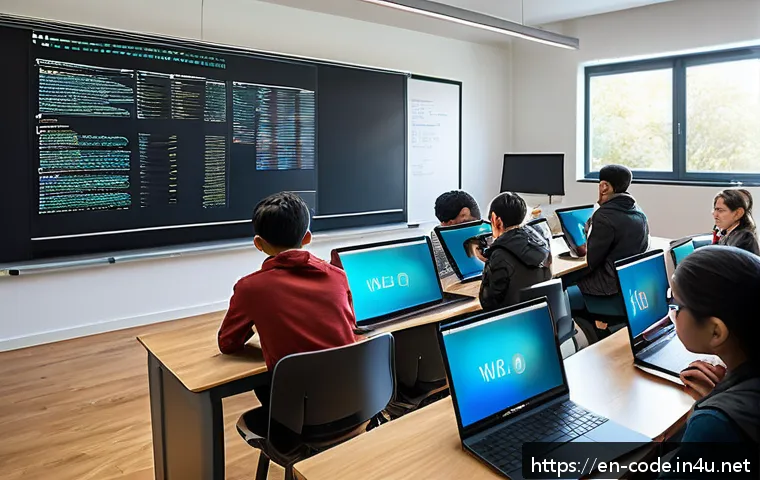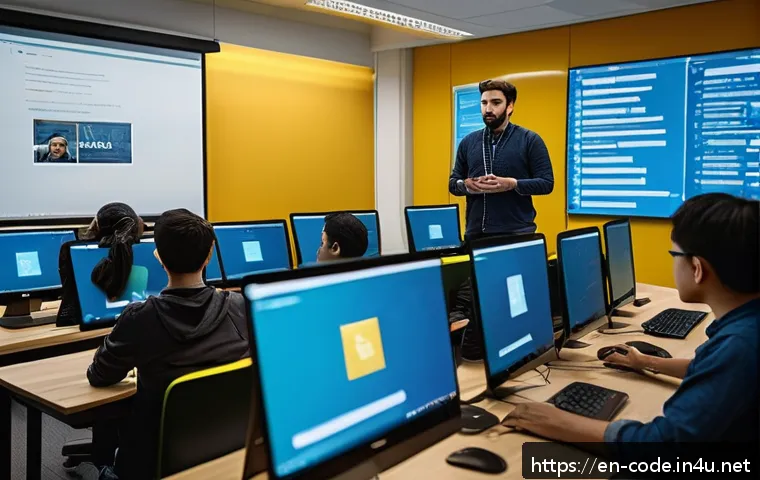
In today’s fast-paced digital world, equipping students with coding skills has become more crucial than ever. With innovative teaching strategies and the seamless integration of diverse learning resources, educators are unlocking new levels of student potential.
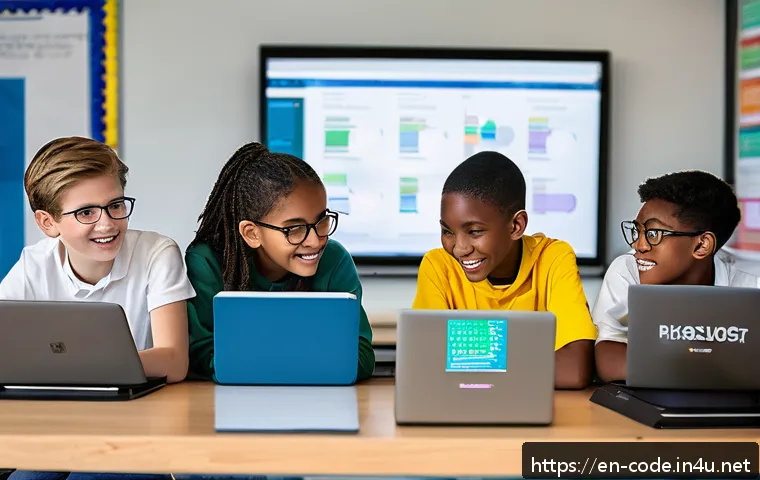
I’ve noticed firsthand how creative approaches can transform a classroom into a dynamic environment where curiosity thrives. As technology evolves, so does the opportunity to engage learners in meaningful ways that go beyond traditional lessons.
Let’s explore how these cutting-edge methods are reshaping education and empowering the next generation of problem solvers.
Innovative Classroom Techniques to Spark Coding Curiosity
Project-Based Learning That Mirrors Real-World Challenges
Engaging students through project-based learning has been a game changer in my experience. Instead of simply lecturing about syntax or algorithms, I’ve seen classrooms transformed when students tackle projects that mimic real-life problems.
For example, building a simple budgeting app or creating an interactive story allows learners to apply coding concepts meaningfully. This approach doesn’t just teach coding; it fosters creativity, critical thinking, and perseverance.
When students see their code come alive in a project they care about, their motivation skyrockets, and the concepts stick much longer.
Gamification: Turning Coding into an Adventure
Introducing game elements into coding lessons can dramatically boost engagement. I’ve noticed that when coding challenges are presented as levels to beat, badges to earn, or quests to complete, students become eager participants rather than passive listeners.
Platforms like CodeCombat or Scratch let students learn syntax and logic by playing and creating games, which makes learning feel less like a chore. Incorporating leaderboards and friendly competitions also adds a social element that encourages collaboration and healthy rivalry, making the learning atmosphere vibrant and fun.
Collaborative Learning Through Pair Programming
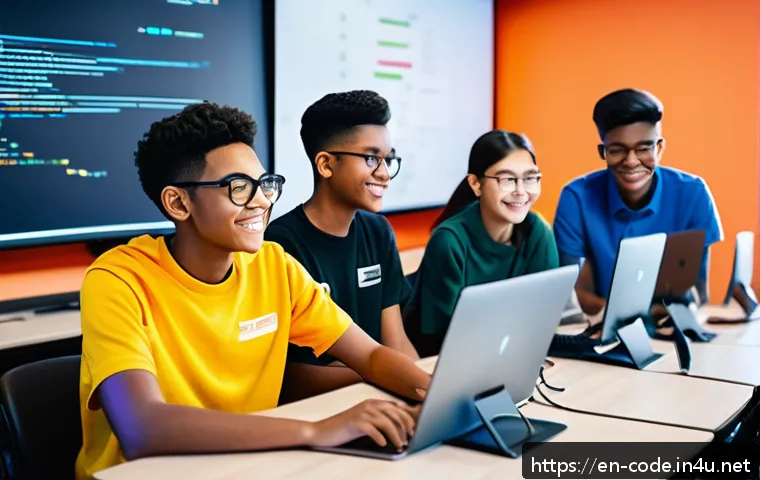
Pair programming is an excellent technique that encourages students to work together, sharing ideas and debugging code collectively. In practice, I’ve observed that when students alternate roles between “driver” and “navigator,” they not only learn coding skills but also communication and teamwork.
This dynamic helps shy or struggling students gain confidence as they have a partner to bounce ideas off. Plus, it mimics real-world software development environments where collaboration is key, preparing students for future careers.
Leveraging Diverse Learning Resources to Maximize Understanding
Blending Interactive Tutorials with Video Content
Combining interactive coding tutorials with engaging video lessons has proven to be highly effective. Interactive platforms like Codecademy or Khan Academy let students write and test code directly, providing immediate feedback that is crucial for learning.
Complementing these with explanatory videos helps clarify abstract concepts through visual and auditory means. From my perspective, this multimodal approach caters to different learning styles, keeping students interested and reducing frustration when they hit tricky topics.
Incorporating Open-Source Tools and Communities
Encouraging students to explore open-source projects and communities opens a whole new world beyond the classroom. I’ve seen learners get excited when they contribute to real projects on GitHub or participate in forums like Stack Overflow.
This involvement not only sharpens coding skills but also builds a sense of belonging and purpose. It’s rewarding for students to see their contributions valued, and it teaches them about collaboration, version control, and professional standards early on.
Utilizing Coding Bootcamp Resources for Accelerated Learning
Bootcamp-style resources offer intensive, focused learning paths that can supplement traditional education. When I experimented with incorporating bootcamp modules into my curriculum, students appreciated the clear milestones and hands-on exercises.
These resources emphasize practical skills and real-world applications, which helps learners quickly build confidence and competence. Bootcamps often include mentorship and peer support, which adds an extra layer of motivation and accountability.
Personalizing Learning Experiences to Enhance Student Engagement
Adaptive Learning Technologies that Tailor Content
Adaptive learning platforms adjust the difficulty and topics based on individual student performance, creating a customized learning path. In classrooms where I’ve implemented these tools, students no longer feel left behind or bored because the content meets them where they are.
For instance, if a student excels in loops but struggles with functions, the system directs more practice towards functions until mastery is reached. This personalized pacing helps maintain engagement and ensures mastery rather than mere exposure.
Encouraging Student-Driven Projects and Interests
Allowing students to choose projects aligned with their personal interests can dramatically increase investment in learning. I’ve seen students who are passionate about music create coding projects that generate beats or visualizations, while others interested in sports build stats trackers.
This autonomy sparks deeper curiosity and ownership. Teachers can guide students to incorporate coding concepts naturally while nurturing individual passions, leading to a more meaningful and sustained learning experience.
Regular Feedback and Reflection Sessions
Incorporating frequent feedback loops and reflection sessions helps students internalize their progress and identify areas for growth. From what I’ve practiced, dedicating time for students to discuss what they’ve learned, challenges they faced, and strategies to overcome those challenges builds metacognitive skills.
This process also fosters a growth mindset, encouraging students to see mistakes as opportunities rather than failures, which is vital in coding where debugging is part of the journey.
Integrating Coding Across Curriculum for Holistic Skill Development
Embedding Coding into STEM and Beyond
Coding doesn’t have to be confined to computer science classes. Integrating it into subjects like math, science, and even art can create powerful interdisciplinary learning experiences.
For example, programming simulations in physics or automating data analysis in math classes bring coding to life in practical contexts. I’ve noticed that this approach helps students understand the relevance of coding across fields and builds a versatile skill set that’s highly valued in today’s job market.
Using Storytelling and Creative Writing with Code
Combining coding with storytelling allows students to develop both technical and narrative skills simultaneously. Tools like Twine or Scratch enable learners to create interactive stories or games, blending creativity with logic.
In my experience, this method appeals especially to students who might find pure coding intimidating but enjoy creative expression. It fosters an appreciation for coding as a tool for storytelling and communication, broadening the appeal of programming.
Developing Critical Thinking Through Debugging Exercises
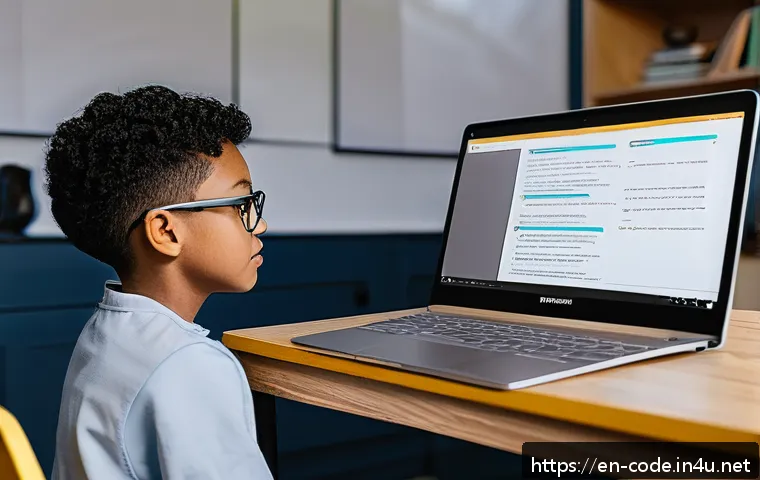
Debugging is often overlooked as a learning opportunity, but it’s crucial for developing analytical skills. Structured debugging exercises teach students to methodically identify and fix errors, reinforcing their understanding of program flow and logic.
I’ve found that when students work through bugs collaboratively or explain their thought process aloud, it deepens their comprehension and resilience.
Debugging becomes less frustrating and more like solving a puzzle, which can be quite rewarding.
Harnessing Technology to Support Inclusive Coding Education
Accessibility Features That Empower Diverse Learners
Technology offers numerous accessibility options that make coding education more inclusive. Screen readers, voice recognition, and customizable interfaces help students with disabilities engage fully.
I’ve personally witnessed how these tools break down barriers, enabling learners with visual impairments or motor challenges to participate actively. Ensuring educational materials and platforms are designed with accessibility in mind creates a welcoming environment where all students can thrive.
Language Support for Multilingual Students
Supporting students who are English language learners is vital for equitable coding education. Offering multilingual coding resources, visual aids, and glossaries helps bridge language gaps.
In classrooms I’ve worked with, pairing students for peer support and using coding environments with simplified interfaces also eased learning. These strategies allow multilingual students to focus on logic and problem-solving without being hindered by language challenges.
Flexible Learning Formats for Different Needs
Providing options such as self-paced modules, live coding sessions, and recorded tutorials accommodates diverse schedules and learning preferences. From my observation, this flexibility is especially helpful for students balancing school with other commitments or those who learn best outside traditional classroom hours.
Offering varied formats ensures no one is left behind and encourages continuous engagement regardless of personal circumstances.
Measuring Impact and Continuously Improving Coding Education
Tracking Student Progress with Data Analytics
Using analytics tools to monitor coding progress provides valuable insights into student strengths and struggles. I’ve found that dashboards showing completion rates, error patterns, and time spent on tasks help educators tailor instruction more effectively.
This data-driven approach also motivates students by highlighting their achievements and areas to focus on, making learning goals more transparent and attainable.
Gathering Student Feedback to Refine Teaching Methods
Regularly soliciting feedback from students about what works and what doesn’t creates a responsive learning environment. In my practice, anonymous surveys and open discussions revealed preferences for certain project types or resource formats, guiding adjustments that improved engagement.
Listening to students empowers them and ensures the curriculum evolves to meet their needs and interests.
Incorporating Industry Trends to Stay Relevant
Keeping curriculum aligned with current technology trends prepares students for future careers. I make a point of integrating topics like artificial intelligence basics, cybersecurity principles, and cloud computing concepts.
This forward-thinking approach excites students about the possibilities coding offers and bridges the gap between education and real-world applications.
| Teaching Strategy | Key Benefits | Example Tools/Resources |
|---|---|---|
| Project-Based Learning | Enhances creativity, critical thinking, and real-world application | Scratch, MIT App Inventor |
| Gamification | Boosts engagement and motivation through fun challenges | CodeCombat, Kahoot! |
| Adaptive Learning | Personalizes pace and content to individual needs | DreamBox, Khan Academy |
| Collaborative Pair Programming | Builds teamwork and communication skills | Replit, Visual Studio Live Share |
| Open-Source Community Involvement | Encourages real-world coding and social learning | GitHub, Stack Overflow |
| Accessibility Features | Supports diverse learners and breaks down barriers | Screen readers, Voice control software |
Conclusion
Innovative teaching strategies can truly transform how students experience coding, making it both engaging and meaningful. By blending hands-on projects, collaborative learning, and personalized approaches, educators can spark lasting curiosity and confidence. Embracing diverse resources and technology ensures that every learner finds their path to success. Ultimately, these methods prepare students not just to code, but to think critically and creatively in an ever-evolving digital world.
Helpful Information
1. Project-based learning helps students apply coding concepts to real-life challenges, boosting motivation and retention.
2. Gamification turns coding practice into an interactive adventure, increasing engagement through rewards and friendly competition.
3. Adaptive learning platforms tailor content to individual needs, preventing boredom and frustration by personalizing pacing.
4. Pair programming fosters communication and teamwork skills, giving students confidence through collaboration.
5. Accessibility tools and multilingual support make coding education inclusive, ensuring all students can participate fully.
Key Takeaways
Effective coding education thrives when it combines practical projects, interactive and adaptive learning, and inclusive technology. Encouraging student choice and continuous feedback enhances engagement, while integrating coding across various subjects broadens its relevance. Tracking progress and staying current with industry trends ensures that learners are well-prepared for future opportunities. Ultimately, fostering a supportive environment where creativity, collaboration, and critical thinking flourish leads to meaningful and lasting learning outcomes.
Frequently Asked Questions (FAQ) 📖
Q: uestionsQ1: How can innovative teaching strategies improve students’ coding skills?
A: Innovative teaching strategies, such as project-based learning, gamification, and collaborative coding exercises, actively engage students by making coding relevant and fun.
From my experience, when students build real-world projects or solve problems together, their understanding deepens, and they develop critical thinking skills.
These methods move beyond rote memorization, encouraging creativity and resilience, which are essential for mastering coding.
Q: What types of learning resources best support coding education in today’s classrooms?
A: A blend of interactive platforms, video tutorials, coding games, and peer collaboration tools works best. I’ve seen classrooms where platforms like Scratch or Code.org help beginners grasp concepts through visual coding, while more advanced students benefit from online coding challenges and forums.
Integrating diverse resources caters to different learning styles and keeps students motivated by offering multiple ways to explore coding.
Q: Why is it important to adapt coding lessons to evolving technology trends?
A: Technology changes rapidly, and adapting lessons ensures students learn relevant skills that prepare them for future careers. From my personal observation, when educators incorporate current languages, tools, and real-world applications like AI or app development, students become more excited and see the practical value of coding.
This relevance boosts engagement and helps learners stay ahead in a competitive digital landscape.