
Congratulations on earning your coding education certification! As the demand for skilled tech instructors continues to surge, especially with the rapid growth of remote learning and online coding bootcamps, this milestone opens exciting doors.

Whether you’re aiming to inspire the next generation of developers or pivot your career toward tech education, understanding the next actionable steps is crucial.
In this post, I’ll share practical strategies to transform your certification into a rewarding teaching career that thrives in today’s dynamic tech landscape.
Let’s dive into how you can make the most of your new credentials and stand out in the competitive world of tech education.
Building a Strong Personal Brand as a Coding Instructor
Crafting Your Unique Teaching Identity
When stepping into the world of tech education, one of the smartest moves is to establish a personal brand that truly reflects your teaching style and philosophy.
Think about what sets you apart from other instructors—maybe you’re exceptional at breaking down complex concepts into bite-sized pieces, or perhaps you have a knack for making coding fun and engaging.
Highlighting these strengths through your online profiles, website, or social media channels helps potential students and employers instantly recognize your value.
Don’t be afraid to share your journey, challenges you overcame during certification, or real-life coding projects you’ve guided learners through. This human touch creates authenticity, making you memorable and relatable in a sea of educators.
Leveraging Social Media and Online Communities
Social platforms like LinkedIn, Twitter, and even Instagram can be powerful tools to showcase your expertise and connect with fellow educators, students, and industry professionals.
Posting regular content—such as mini-tutorials, coding tips, or insights about the latest trends—positions you as an active, knowledgeable figure in the coding education space.
I’ve found that engaging in niche groups or forums, answering questions, and sharing resources not only builds your network but also opens doors to collaboration opportunities.
Remember, consistency is key; even small, frequent posts help you stay top-of-mind.
Developing a Professional Website or Portfolio
A well-crafted website serves as a centralized hub where you can present your credentials, testimonials, sample lesson plans, and any workshops or courses you offer.
It’s your digital handshake—a place where potential students or employers can quickly assess your qualifications and style. Incorporate a blog section where you write about educational trends or coding challenges, demonstrating thought leadership.
Including a booking system for consultations or classes can streamline your business operations, making it easy for visitors to take the next step with you.
Designing Engaging Curriculum and Lesson Plans
Aligning Curriculum with Industry Needs
The tech landscape evolves rapidly, so staying updated with the skills employers seek is critical when designing your curriculum. Incorporate languages, frameworks, and tools that are in high demand, such as JavaScript frameworks like React or backend technologies like Node.js.
When I created my first curriculum, I spent time researching job postings and tech community discussions to ensure the content was relevant and practical.
This approach not only makes your lessons more appealing but also boosts your students’ employability.
Incorporating Hands-On Projects and Real-World Scenarios
Students often learn best when they can apply concepts to tangible projects. Designing lessons around real-world problems or projects—like building a portfolio website, creating a simple app, or automating a task—engages learners and reinforces their understanding.
I’ve noticed that including projects with incremental complexity helps maintain motivation and builds confidence step by step. Plus, these projects become valuable portfolio pieces for your students.
Utilizing Diverse Teaching Tools and Platforms
Adapting to different learning styles is a hallmark of effective teaching. Incorporate a mix of video tutorials, live coding sessions, quizzes, and collaborative coding exercises to cater to visual, auditory, and kinesthetic learners.
Platforms like Zoom, Google Classroom, or coding-specific environments like repl.it or GitHub Classroom can enhance interactivity and track progress. Experimenting with different tools not only keeps lessons fresh but also helps you find what resonates best with your audience.
Networking and Collaborating within the Tech Education Community
Attending Conferences, Meetups, and Workshops
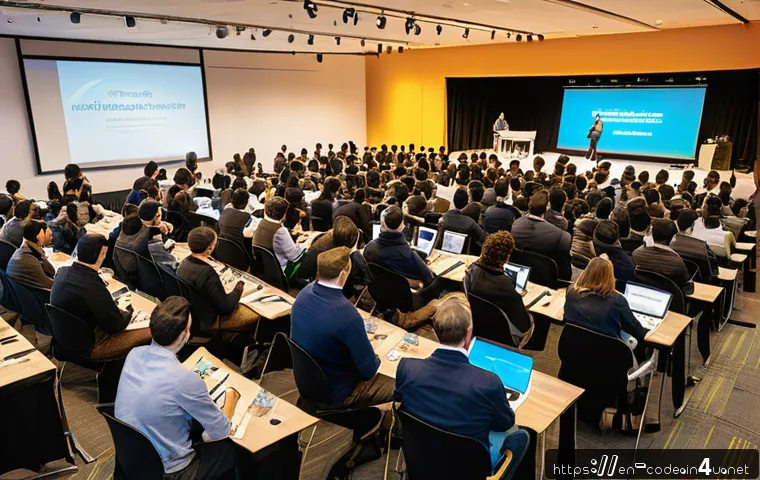
Even in a remote-first world, in-person or virtual events remain invaluable for expanding your professional network. Participating in tech education conferences or local coding meetups introduces you to like-minded instructors, potential employers, and industry leaders.
When I attended my first coding bootcamp instructors’ meetup, the connections I made led to guest teaching gigs and collaborative projects. These gatherings are also great for exchanging innovative teaching methods and staying inspired.
Joining Professional Organizations and Online Groups
Many organizations exist to support educators in tech, offering resources, certification renewals, and community forums. Becoming an active member of groups like the Computer Science Teachers Association (CSTA) or coding education Slack channels keeps you plugged into the latest pedagogical research and trends.
Contributing to discussions or volunteering for leadership roles within these groups can elevate your profile and credibility.
Collaborating on Curriculum Development or Workshops
Partnering with other instructors or industry professionals to co-create curriculum or run workshops can amplify your reach and impact. Collaboration also fosters continuous learning, as you exchange ideas and receive feedback.
For example, teaming up with a UX designer to offer a course combining coding and design principles can attract a broader student base. From my experience, these joint ventures often lead to long-term partnerships and richer learning experiences for students.
Optimizing Your Online Presence for Job Opportunities
Tailoring Your Resume and Portfolio for Tech Education Roles
When applying for teaching positions, customize your resume to highlight not only your coding skills but also your instructional experience, curriculum development, and student outcomes.
Including metrics—like improved student pass rates or successful project completions—adds persuasive evidence of your effectiveness. Similarly, your portfolio should showcase lesson plans, recorded sessions, and any positive feedback from students or peers.
Utilizing Job Platforms and Freelance Marketplaces
Websites such as LinkedIn, Indeed, and specialized education job boards frequently list openings for coding instructors, both full-time and part-time.
Additionally, freelance platforms like Upwork or Fiverr provide opportunities to teach coding through private lessons or create educational content. I found that setting up detailed profiles with client testimonials and clear service offerings significantly increased my chances of landing contracts.
Preparing for Interviews and Demo Lessons
Many employers request demo teaching sessions to evaluate your approach and communication skills. Preparing engaging, clear, and interactive demos tailored to the audience level is crucial.
Practice explaining complex concepts in simple terms and be ready to answer questions on pedagogy and technology. Drawing from my own interview experiences, showing enthusiasm and adaptability often leaves a lasting positive impression.
Exploring Monetization Strategies Beyond Traditional Teaching
Creating Online Courses and Tutorials
Platforms like Udemy, Teachable, or Skillshare offer accessible ways to package your expertise into scalable online courses. Producing high-quality video tutorials combined with quizzes and downloadable resources can generate passive income.
I personally enjoyed the creative freedom of course creation and the ability to reach a global audience, which diversified my income streams beyond live teaching.
Publishing Educational Content and eBooks
Writing articles, guides, or eBooks on coding education topics can establish you as a thought leader and attract a loyal following. You can monetize this content through direct sales, affiliate marketing, or by using it as lead magnets to grow your mailing list for future courses or coaching.
Sharing your unique insights based on real teaching experiences resonates strongly with learners seeking practical advice.
Offering Coaching and Mentorship Services
Providing one-on-one or small group coaching allows you to tailor support to individual student needs, often commanding higher rates than group classes.
Mentorship programs focused on career transition, portfolio building, or interview preparation are highly sought after. I’ve found that personalized guidance not only improves student outcomes but also builds rewarding relationships and repeat clients.
Continuing Professional Development and Staying Relevant
Engaging in Lifelong Learning and Certifications
Technology never stands still, so committing to ongoing education is essential to maintain your edge. Pursuing advanced certifications in new programming languages, teaching methodologies, or educational technology tools keeps your skills sharp and marketable.
I make it a habit to set quarterly learning goals, which helps me stay motivated and current.
Seeking Feedback and Reflecting on Teaching Practices
Regularly soliciting feedback from students and peers provides invaluable insights into your teaching effectiveness and areas for improvement. Reflecting on what works and what doesn’t helps you refine lesson plans and delivery styles.
In my experience, embracing constructive criticism has been key to evolving into a more empathetic and impactful instructor.
Adapting to Emerging Trends and Technologies
Keeping an eye on innovations such as AI-assisted coding tools, virtual reality learning environments, or gamification techniques can open new avenues for engaging students.
Experimenting with these technologies in your teaching practice not only enhances learning experiences but also signals to employers that you’re forward-thinking.
Staying curious and adaptable is a hallmark of a successful coding educator.
| Action | Purpose | Tools/Platforms | Expected Outcome |
|---|---|---|---|
| Build Personal Brand | Differentiate yourself in the market | LinkedIn, Personal Website, Social Media | Increased visibility and credibility |
| Design Curriculum | Deliver relevant, engaging education | Google Classroom, repl.it, GitHub Classroom | Higher student engagement and satisfaction |
| Network & Collaborate | Expand professional connections | Conferences, Meetups, Professional Groups | Job leads and partnership opportunities |
| Optimize Job Search | Secure teaching positions | Job Boards, Freelance Marketplaces | Employment and freelance gigs |
| Monetize Skills | Diversify income streams | Udemy, Teachable, eBooks, Coaching Platforms | Passive and active income |
| Continuous Learning | Stay relevant and skilled | Online Courses, Certifications | Updated knowledge and credentials |
In Conclusion
Building a strong personal brand as a coding instructor requires dedication, creativity, and continuous learning. By crafting your unique identity, engaging with the community, and staying updated with industry trends, you can create meaningful connections and opportunities. Remember, your authentic passion for teaching and willingness to adapt are what truly set you apart in this evolving field.
Helpful Tips to Keep in Mind
1. Consistently share your knowledge through social media or blogs to build trust and visibility.
2. Design your curriculum around practical skills that align with current job market demands.
3. Network actively by attending events and participating in professional groups to expand your reach.
4. Tailor your resume and portfolio to highlight both technical expertise and teaching accomplishments.
5. Explore multiple income streams like online courses, coaching, and educational content to diversify earnings.
Key Takeaways
Establishing a personal brand is essential for standing out as a coding educator, combining your technical skills with your teaching style. Keeping your curriculum relevant and hands-on enhances student engagement and success. Building a strong professional network opens doors to new opportunities and collaborations. Optimizing your online presence improves your chances of securing teaching roles. Finally, embracing lifelong learning and exploring various monetization strategies ensures your growth and sustainability in this dynamic field.
Frequently Asked Questions (FAQ) 📖
Q: How can I leverage my coding education certification to find teaching opportunities in tech?
A: Start by exploring various platforms that connect educators with learners, such as online coding bootcamps, tutoring websites, and community colleges offering tech courses.
Networking is key—join relevant tech education groups on LinkedIn or local meetups to find openings. Additionally, creating a portfolio showcasing your teaching approach, lesson plans, or demo videos can make you stand out.
Applying directly to companies that offer remote or in-person coding instruction often yields good results, especially if you highlight your certification and any hands-on experience.
Q: What skills beyond coding knowledge are important for succeeding as a tech instructor?
A: While strong coding skills are essential, effective communication and empathy are just as critical. Being able to break down complex concepts into digestible chunks helps students grasp material better.
Patience and adaptability matter too, as learners come with different backgrounds and paces. Familiarity with educational technology tools, like LMS platforms and interactive coding environments, also enhances your teaching effectiveness.
From my experience, actively engaging students with real-world examples and encouraging questions makes a huge difference in retention and satisfaction.
Q: How do I stand out in the competitive market of tech educators after certification?
A: Differentiation comes from demonstrating both expertise and passion. Develop a niche or specialty—whether it’s a specific programming language, data science, or web development—and deepen your knowledge there.
Sharing original content like blog posts, tutorials, or YouTube videos can establish your authority and attract students organically. Collecting testimonials and success stories from your students boosts credibility.
Lastly, continuously updating your skills and certifications shows commitment, which resonates well with employers and learners alike.