Hey everyone! Ever wonder what truly makes a coding class transformative? It’s often not just the curriculum, right?

From what I’ve personally seen, a phenomenal coding teacher can ignite a passion that lasts a lifetime, while a less effective one can sadly extinguish even the brightest spark.
In today’s breakneck tech world, where AI is reshaping everything almost daily, the demand for top-tier coding educators has never been more critical.
But here’s the thing: merely knowing how to code doesn’t automatically translate into being a great instructor. We’re talking about inspiring young minds, cultivating essential problem-solving abilities, and equipping students for roles that might not even be conceived of yet!
That’s precisely why the training our coding instructors receive is absolutely paramount. Having spent years observing and engaging with various tech education initiatives, I’ve uncovered clear strategies to make instructor training genuinely impactful, especially with all the exciting advancements in educational technology.
Let’s explore exactly how we can elevate our coding education instructors to truly inspire the next generation!
Empowering Educators Through Continuous Skill Evolution
You know, it’s easy to think that once someone knows how to code, they can automatically teach it. But I’ve personally seen that it’s just not that simple. Being a phenomenal coder and being an inspiring educator are two vastly different skill sets! It’s less about knowing every single line of code and more about understanding how to break down complex concepts, foster curiosity, and guide students through their own discovery journey. That’s why I truly believe the cornerstone of effective coding education lies in creating ongoing, dynamic training programs for our instructors. We can’t just send them to a weekend workshop and expect magic. It needs to be a continuous evolution, especially with how fast the tech landscape changes. Think about it: a coding language or framework that’s hot today might be legacy tomorrow. If our instructors aren’t constantly learning, adapting, and refining their pedagogical approaches, how can they prepare students for a future that’s always in flux? My experience has shown me that the most impactful instructors are those who are themselves lifelong learners, eager to experiment with new tools and teaching methods, and genuinely passionate about sharing that journey with their students. It’s about providing them with opportunities not just to upskill their technical prowess, but also to sharpen their communication, empathy, and classroom management strategies. Without this proactive approach, we risk falling behind, and our students deserve nothing less than instructors who are at the very top of their game, ready to tackle any challenge thrown their way.
Cultivating a Growth Mindset in Every Instructor
One of the most profound shifts I’ve observed in truly effective training programs is the emphasis on cultivating a growth mindset, not just for the students, but for the instructors themselves. When an instructor genuinely believes they can always learn and improve, it’s infectious. This isn’t just about technical skills; it’s about their approach to teaching, handling classroom challenges, and even receiving feedback. I remember a time early in my career when I thought I knew it all – spoiler alert: I didn’t! It took a mentor to gently guide me toward seeing every challenge as an opportunity to grow, not a personal failing. For coding instructors, this translates into being open to new teaching methodologies, trying out experimental projects, and not being afraid to say, “I don’t know, let’s figure it out together” to a student. It models resilience and problem-solving, which are arguably more critical than memorizing syntax. Encouraging this mindset through regular professional development, peer coaching, and reflective practices creates a dynamic learning environment for everyone involved, setting the stage for truly transformative educational experiences. It’s about building a culture where innovation in teaching is celebrated, and continuous improvement is the norm, not the exception.
Beyond Syntax: Mastering Pedagogical Excellence
Let’s be real, knowing how to write clean code is one thing, but explaining recursion to a group of 10-year-olds or debugging a complex project with a frustrated teenager requires a completely different set of skills. What I’ve consistently found is that the very best coding instructors are masters of pedagogy – the art and science of teaching. This goes way beyond just presenting information. It’s about understanding learning theories, differentiating instruction for diverse learners, creating engaging activities, and fostering a collaborative classroom environment. Many instructors start with a strong technical background, which is fantastic, but they often need robust training in how to *teach* effectively. This means workshops on active learning strategies, designing project-based curricula, using formative assessment to guide instruction, and even understanding basic child psychology or adult learning principles, depending on their student demographic. From my vantage point, it’s the blend of deep technical knowledge with exceptional teaching artistry that truly elevates an instructor from good to legendary. We need to invest in helping them hone these teaching skills as much as we invest in their coding expertise, because ultimately, it’s how they deliver that knowledge that makes all the difference in a student’s journey.
Crafting Engaging Learning Experiences with Project-Based Approaches
If there’s one thing I’ve learned from years of observing educational successes, it’s that people learn by doing. And in coding, that means projects, projects, projects! Gone are the days of rote memorization and endless lectures; students today thrive when they’re actively building, creating, and solving real-world problems. For coding instructors, this means moving away from a traditional lecture-heavy model and embracing project-based learning (PBL) methodologies. It’s not always easy, because it requires a different kind of lesson planning and classroom facilitation. Instructors need to learn how to design compelling projects that are challenging yet achievable, provide just enough scaffolding without giving away all the answers, and guide students through the inevitable roadblocks and debugging nightmares. I’ve personally seen the lightbulb moment in students’ eyes when they finally get their code to work on a project they’ve poured their heart into – it’s a feeling of accomplishment that a multiple-choice test can never replicate. Our training for instructors needs to heavily focus on how to effectively implement PBL, ensuring they can foster creativity, collaboration, and critical thinking. It’s about teaching them to be facilitators of discovery, rather than just dispensers of information. This approach not only makes learning more engaging, but it also equips students with the practical skills and problem-solving resilience they’ll absolutely need in their future careers, making them truly job-ready, which is something I always prioritize.
Designing Meaningful and Authentic Coding Projects
The secret sauce to truly impactful project-based learning lies in the quality and authenticity of the projects themselves. From what I’ve observed, if a project feels contrived or irrelevant, students quickly lose interest. This is where instructor training becomes absolutely critical. We need to equip our educators with the skills to design projects that resonate with students’ interests and connect to real-world applications. This might involve teaching them how to collaborate with local businesses or non-profits to create genuine challenges, or how to tap into current events and popular culture to make coding feel relevant. For instance, instead of just building a generic calculator, how about a calculator that helps budget for a dream vacation or simulates a game mechanic? Or, instead of just a basic “to-do list” app, perhaps they could build a simple social media feed scraper to analyze trends, of course, with proper ethical considerations discussed. Instructors need to understand the balance between structured guidance and open-ended exploration, allowing students enough freedom to inject their own creativity while still ensuring learning objectives are met. I’ve found that when instructors can skillfully craft these kinds of projects, student engagement skyrockets, and the learning becomes deeply ingrained, moving far beyond superficial understanding to genuine mastery and passion.
Facilitating Collaboration and Iteration in the Classroom
Coding in the real world is almost never a solo endeavor; it’s a team sport, involving constant collaboration, feedback, and iteration. Therefore, our instructor training must emphasize how to foster these essential skills within the classroom environment. It’s not enough for students to just complete projects individually; they need to learn how to work effectively in pairs or small groups, use version control systems like Git, conduct code reviews, and give and receive constructive feedback gracefully. This means instructors need specific strategies for structuring group work, mediating conflicts, encouraging peer-to-peer learning, and managing a classroom where multiple projects are in various stages of development. I’ve personally seen how powerful a well-managed peer review session can be – students learn as much, if not more, from analyzing each other’s code than from just their own. Instructors must also model and encourage an iterative mindset, teaching students that failure is not an endpoint but a stepping stone to improvement. It’s about instilling the understanding that good code isn’t written, it’s *rewritten*. When instructors are proficient in guiding collaborative and iterative processes, they’re not just teaching coding; they’re cultivating the workplace readiness and soft skills that are invaluable in any tech career, which is a massive win for everyone involved.
Leveraging Cutting-Edge EdTech for Enhanced Learning Outcomes
In today’s fast-paced educational landscape, pretending that technology isn’t a game-changer is just… well, it’s naive, isn’t it? The sheer volume of educational technology (EdTech) tools available for coding education is astounding, and frankly, a bit overwhelming if you don’t know where to start. My personal take is that our instructors need to be not just users, but savvy integrators of these tools. It’s not about replacing the human element of teaching, far from it! Instead, it’s about using EdTech to amplify an instructor’s effectiveness, personalize the learning experience for students, and make complex concepts more accessible. Think about interactive coding environments, automated grading systems, virtual labs, and AI-powered feedback tools. These aren’t just flashy gadgets; they’re powerful resources that can free up an instructor’s time from administrative tasks, allowing them to focus on what truly matters: one-on-one mentoring, deeper concept exploration, and inspiring critical thinking. I’ve personally experimented with various platforms, and the difference they make in student engagement and understanding is truly remarkable. However, effective integration requires specific training. Instructors need to know which tools are best suited for different learning objectives, how to troubleshoot common issues, and critically, how to analyze the data these tools provide to inform their teaching strategies. Without this intentional approach, even the most advanced EdTech can become an expensive paperweight, and we certainly don’t want that!
Mastering Interactive Coding Environments and Platforms
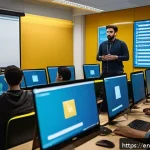
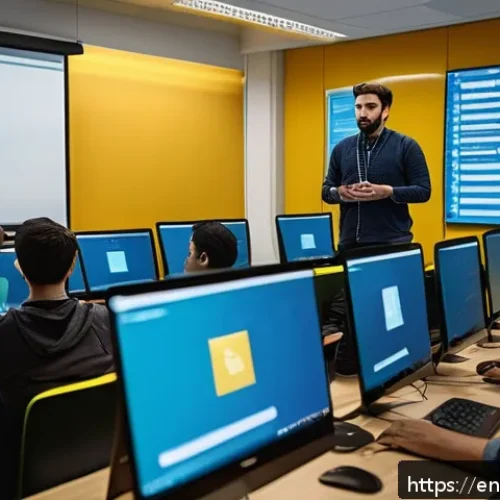
The days of teaching coding solely from a textbook and a whiteboard are long gone, thank goodness! Modern coding education thrives in interactive environments that allow students to write, run, and debug code instantly. From what I’ve observed, platforms like Replit, Codecademy’s workspaces, or even specialized IDEs integrated into learning management systems can transform the learning experience. But here’s the kicker: instructors need to be absolute pros at navigating these environments. This means going beyond just knowing how to open them; it’s about understanding their features, potential pitfalls, and how to leverage them for maximum pedagogical impact. Training should cover how to set up collaborative coding sessions, utilize built-in debugging tools, manage student projects, and even customize environments for specific lessons. I’ve seen firsthand how a well-utilized online IDE can turn a challenging debugging session into a collaborative problem-solving adventure. It’s about making the technology disappear into the background so that the learning can take center stage. When instructors are confident and comfortable with these tools, they can create a seamless and dynamic learning flow, allowing students to experiment, make mistakes, and learn from them in a safe, controlled, and immediate feedback-rich environment. This technical mastery of the tools is non-negotiable for anyone looking to teach coding effectively in this day and age.
Utilizing AI for Personalized Feedback and Assessment
Okay, let’s talk about AI in the classroom, because it’s a hot topic and something I’ve been diving into personally. The idea of AI providing feedback might sound a little futuristic, but it’s already here and it’s incredibly powerful, especially in coding education. Imagine an AI that can analyze a student’s code, identify common errors, suggest improvements, and even point them toward relevant resources – all in real-time. This isn’t about replacing the instructor’s role; it’s about augmenting it dramatically. From my experience, instructors can spend an enormous amount of time on basic debugging and syntax correction. AI tools can handle much of this initial heavy lifting, freeing up the instructor to focus on higher-order thinking skills, deeper conceptual understanding, and personalized mentoring. Training for instructors should absolutely include how to effectively integrate and interpret insights from AI-powered assessment tools. This means understanding the limitations of AI, knowing how to override its suggestions when human nuance is required, and using its data to identify broader class trends or individual learning gaps. It’s about turning our instructors into super-coaches, empowered by data and automation to deliver an even more tailored and effective learning journey for every single student. This is the future, and we need our educators leading the charge, not playing catch-up.
| Training Aspect | Traditional Approach | Modern, Impactful Approach |
|---|---|---|
| Curriculum Focus | Purely technical skill acquisition (e.g., “learn Python syntax”). | Blends technical skills with pedagogical strategies, real-world application, and soft skills development (e.g., “teach Python for web development with PBL, fostering teamwork”). |
| Learning Methodology | Lecture-based, theoretical, one-off workshops. | Experiential, project-based, continuous professional development, peer coaching, mentorship programs. |
| Assessment of Instructors | Knowledge tests, certification exams. | Observation of teaching practice, student feedback, portfolio of projects, reflective journals, evidence of student learning gains. |
| Integration of Technology | Limited to basic classroom tools (e.g., projector, basic IDE). | Strategic use of advanced EdTech (e.g., interactive coding environments, AI-powered feedback, virtual labs, collaboration tools). |
| Emphasis on Soft Skills | Often overlooked or assumed. | Explicit training in communication, empathy, classroom management, feedback delivery, fostering a growth mindset. |
Building a Vibrant Community of Practice for Educators
One of the most overlooked, yet incredibly powerful, aspects of elevating coding instructors is fostering a strong sense of community among them. From what I’ve seen, teaching can sometimes feel like a solitary endeavor, especially when you’re wrestling with a particularly tricky concept or a challenging student dynamic. But it doesn’t have to be that way! Creating a vibrant community of practice means giving instructors regular opportunities to connect, share their experiences, celebrate successes, and collaboratively troubleshoot problems. This could be through online forums, regular meet-ups, peer observation programs, or even just dedicated coffee chats. I remember feeling so isolated when I first started out, thinking I was the only one struggling with certain classroom management issues. But once I started connecting with other educators, sharing war stories and strategies, it was like a huge weight lifted off my shoulders. It’s about building a support network where everyone feels safe to ask “dumb” questions, share their innovative teaching hacks, and lean on each other for guidance. This kind of peer-to-peer learning is incredibly effective because it’s grounded in shared real-world experiences. When instructors feel connected and supported, their confidence grows, their teaching improves, and ultimately, our students benefit immensely from a more cohesive and knowledgeable teaching force. It’s an investment in collective intelligence that pays dividends for everyone involved, making the entire educational ecosystem stronger and more resilient.
Facilitating Peer-to-Peer Learning and Mentorship
In my journey, some of the most profound learning experiences came from interacting with peers who were just a few steps ahead of me or had a unique perspective on a shared challenge. This is precisely why building structured peer-to-peer learning and mentorship programs within our instructor training framework is an absolute game-changer. It’s not just about senior instructors mentoring new ones, though that’s incredibly valuable. It’s also about creating opportunities for instructors at similar stages to collaborate, co-teach, observe each other’s classes, and provide constructive feedback. I’ve found that when instructors can openly discuss their lesson plans, share resources, and even vent about a tough day, it creates a bond and a shared pool of knowledge that benefits everyone. Imagine a ‘code-teaching clinic’ where instructors bring in their most challenging teaching scenarios and collectively brainstorm solutions. Or a peer observation program where the goal isn’t evaluation, but mutual growth and learning. These types of initiatives foster a culture of continuous improvement and shared ownership over the quality of education. When instructors feel like they’re part of a team, supported by their colleagues, they’re more likely to innovate, take risks, and feel genuinely invested in their professional development, making their impact on students even greater.
Encouraging Regular Reflection and Best Practice Sharing
Teaching, like any craft, gets better with intentional reflection. From what I’ve personally seen, simply going through the motions day after day, year after year, can lead to stagnation. To truly elevate our coding instructors, we need to embed reflection and systematic best practice sharing into their ongoing development. This isn’t about formal evaluations; it’s about cultivating a habit of self-assessment and continuous improvement. This could take the form of regular teaching journals where instructors reflect on what went well and what could be improved in a lesson, or facilitated group discussions where they share their most successful teaching strategies and discuss challenges. Think of it like a developer’s retrospective after a sprint – what did we learn, and how can we do better next time? Platforms for sharing resources, lesson plans, and project ideas can also be incredibly effective. I’ve been amazed at the creativity and ingenuity that emerges when instructors are given dedicated spaces and encouragement to share their innovations. It breaks down silos, multiplies good ideas, and ensures that the collective wisdom of the teaching staff is harnessed to benefit everyone. When instructors actively reflect on their practice and generously share their insights, they not only improve their own teaching but also contribute significantly to raising the overall standard of coding education for all students.
Developing Emotional Intelligence and Empathy in the Classroom
You know, for all the talk about algorithms and syntax, one of the most vital, yet often overlooked, skills for a coding instructor is emotional intelligence. I’ve personally witnessed how an instructor’s ability to connect with students on a human level, to truly understand their frustrations and celebrate their breakthroughs, can make or break a learning experience. Coding can be incredibly challenging and, at times, downright frustrating. Students often hit walls, feel overwhelmed, or doubt their own abilities. This is precisely when an instructor with high emotional intelligence shines. They can read the room, pick up on non-verbal cues, offer encouragement at just the right moment, and create a safe space for students to make mistakes and learn from them without feeling judged. It’s about more than just teaching code; it’s about nurturing resilience, fostering a growth mindset, and building confidence. Our training programs absolutely need to include components that help instructors develop their empathy, active listening skills, and conflict resolution strategies. These aren’t ‘soft skills’ in the traditional sense; they are critical skills that empower instructors to be truly transformative educators, capable of inspiring students to push through challenges and discover their full potential, not just as coders, but as well-rounded individuals. This holistic approach to instructor development is something I feel incredibly passionate about, as it moves beyond mere technical proficiency to genuine human connection.
Cultivating Active Listening and Empathetic Communication

The ability to truly listen, not just hear, is a superpower for any educator, especially in the context of coding. When a student says, “My code isn’t working,” what they might really be saying is, “I’m completely stuck and I don’t even know what to ask.” From my own experience, an empathetic instructor doesn’t just jump in to fix the code. Instead, they actively listen to the student’s process, ask clarifying questions, and help the student articulate their thought process. This goes beyond simple debugging; it teaches students how to diagnose problems themselves and communicate effectively, which are crucial skills in any tech role. Training for instructors should therefore heavily emphasize active listening techniques, empathetic questioning, and non-judgmental feedback delivery. It’s about understanding the emotional state behind a student’s struggle and responding in a way that builds their confidence and problem-solving autonomy. I’ve seen instructors transform a student’s entire outlook on coding simply by validating their feelings of frustration and guiding them with patience and understanding. This kind of communication fosters a classroom environment where students feel safe to be vulnerable, ask for help, and ultimately, learn more effectively. It’s a human touch that no AI can replicate, and it’s absolutely essential for inspiring the next generation.
Managing Classroom Dynamics with Emotional Intelligence
A coding classroom isn’t just a collection of individuals sitting at computers; it’s a dynamic ecosystem with diverse personalities, learning styles, and emotional needs. Effectively managing these dynamics requires a significant amount of emotional intelligence from the instructor. This includes everything from resolving minor conflicts between students, to identifying when a student is disengaging due to frustration or lack of confidence, and knowing how to re-engage them. I’ve personally navigated classrooms where students had vastly different skill levels and temperaments, and it required a constant recalibration of my approach. Training should equip instructors with strategies for inclusive teaching, handling different learning paces, fostering a collaborative and respectful atmosphere, and even basic conflict resolution skills. It’s about recognizing that every student brings their unique self to the classroom, and an emotionally intelligent instructor can adapt their teaching style to meet those individual needs while maintaining a productive group dynamic. When instructors are adept at managing these complex emotional landscapes, they create a truly supportive and equitable learning environment where every student feels valued, heard, and empowered to succeed, transforming potential barriers into opportunities for growth and deeper learning for all involved.
Measuring True Impact: Beyond Just Code Output
Alright, let’s get real about assessment. It’s easy to get caught up in measuring how much code a student can write or how many projects they complete. But from what I’ve personally seen, true impact in coding education goes far, far beyond just counting lines of code. It’s about measuring the development of critical thinking, problem-solving abilities, creativity, resilience in the face of bugs, and the ability to collaborate effectively. These are the soft skills that are actually the ‘hard skills’ for real-world success. If we’re only focused on the output of code, we’re missing the forest for the trees. Our instructor training needs to empower educators to use a broader range of assessment strategies that capture this holistic development. Think about performance-based assessments where students present their projects and articulate their design choices, peer reviews where they analyze each other’s work and provide constructive feedback, or even reflective journals where they document their problem-solving process and learning journey. I’ve found that these qualitative assessments often provide much richer insights into a student’s growth than any automated test could. It’s about shifting the mindset from merely ‘testing knowledge’ to ‘assessing competency and growth.’ This allows instructors to truly understand where each student is thriving and where they might need additional support, ensuring that our coding education programs are producing not just coders, but innovative thinkers and resilient problem-solvers ready for whatever the future holds, which is my ultimate goal for every student.
Assessing Problem-Solving and Critical Thinking Skills
In the world of tech, simply knowing a programming language is a starting point, but the real power lies in the ability to solve complex, unstructured problems and think critically. This is where I believe many traditional assessments fall short. My experience tells me that our instructor training must focus on how to design and implement assessments that truly gauge a student’s problem-solving and critical thinking skills, rather than just their recall of syntax. This could involve open-ended challenges where students have to define the problem themselves before coding a solution, or projects that require them to research and integrate new technologies they haven’t been explicitly taught. Instructors need to learn how to evaluate the *process* of problem-solving, not just the final product. Did the student break down the problem effectively? Did they try multiple approaches? How did they debug and iterate? This might involve rubric-based assessments, one-on-one “code interviews” where students explain their logic, or even observational assessments during collaborative work sessions. When instructors are equipped to assess these deeper cognitive skills, they can provide more targeted feedback that nurtures true understanding and prepares students for the ambiguities of real-world development, making them far more adaptable and valuable contributors in any future role.
Evaluating Collaborative Abilities and Communication
As I mentioned earlier, coding is a team sport. Yet, how often do we truly assess a student’s ability to collaborate effectively or communicate their technical ideas clearly? In my personal opinion, this is a huge gap that needs to be filled in instructor training. We need to teach our educators how to design and evaluate group projects, not just by looking at the final code, but by observing and assessing the *process* of collaboration. This includes evaluating how students contribute to a team, how they use version control systems, how they conduct code reviews, and how effectively they communicate technical concepts to their peers and instructors. This could involve peer evaluation components, self-reflection on team dynamics, or even direct observation of group work by the instructor using specific rubrics. I’ve seen firsthand how students who are technically brilliant can struggle immensely in a team environment if they lack these collaborative skills, and conversely, how students with strong team skills can elevate an entire project. When instructors are trained to prioritize and effectively assess these critical communication and collaboration skills, they are not just teaching coding; they are preparing students for the realities of the modern tech workforce, giving them a significant advantage beyond just their technical prowess. It’s about building well-rounded professionals, not just individual coders, which is a goal I consistently strive for.
Concluding Thoughts
Wow, what a journey we’ve had exploring the multifaceted world of empowering our coding educators! It’s truly been a privilege to share my insights on how we can transform teaching from a static role into a dynamic, ever-evolving craft. From fostering a growth mindset to leveraging cutting-edge EdTech and building vibrant communities, it’s clear that our commitment to our instructors’ continuous development is the bedrock of future-ready students. I truly believe that by investing deeply in these areas, we’re not just building better coders; we’re cultivating resilient, innovative thinkers ready to tackle any challenge the digital world throws their way.
Useful Information to Know
1. Embrace lifelong learning: Technology evolves rapidly, so continuous personal and professional development is crucial for staying ahead and inspiring students.
2. Prioritize pedagogy over just technical skills: Knowing *how* to teach effectively is just as vital as knowing *what* to teach. Invest in robust pedagogical training for maximum impact.
3. Leverage EdTech strategically: Tools like interactive coding environments and AI feedback systems can significantly enhance learning, but only when integrated thoughtfully and with proper instructor training.
4. Build a supportive community: Teaching can be isolating. Foster peer-to-peer learning, mentorship programs, and shared best practices to strengthen your teaching force and boost confidence.
5. Assess holistic growth: Look beyond just code output to evaluate critical thinking, problem-solving abilities, collaboration, and resilience – these are the true indicators of a student’s future success and adaptability.
Key Takeaways
In a nutshell, truly impactful coding education hinges on a holistic approach to instructor development. It’s about nurturing a growth mindset, mastering diverse pedagogical strategies, strategically integrating cutting-edge EdTech, building strong communities of practice, and prioritizing emotional intelligence. By focusing on these pillars, we empower educators to cultivate not just technical proficiency, but also the critical thinking, collaboration, and resilience essential for students to thrive in an ever-changing tech landscape, making them truly prepared for their careers and beyond.
Frequently Asked Questions (FAQ) 📖
Q: Why is the role of a coding instructor more crucial than ever, especially with
A: I’s rapid advancements? A1: You know, it’s easy to think coding is just about algorithms and syntax, but as someone who’s seen the tech world evolve at lightning speed, I can tell you it’s so much more.
In today’s landscape, with AI reshaping everything from how we work to how we live, a truly phenomenal coding instructor is less about simply teaching lines of code and more about igniting a lifelong passion for problem-solving and innovation.
They’re the ones who don’t just equip students with current skills but prepare them for jobs that might not even exist yet! I’ve personally witnessed how a passionate instructor can literally change a student’s trajectory, inspiring them to think creatively, adapt quickly, and embrace the continuous learning curve that’s essential in this AI-driven era.
Without that spark, even the brightest young minds can get discouraged, so their role truly is paramount for fostering the next generation of tech leaders.
Q: What makes a coding instructor truly “phenomenal” beyond just knowing how to code?
A: This is a question I’ve pondered quite a bit, having interacted with countless educators over the years! While strong technical knowledge is certainly the foundation, what elevates an instructor to “phenomenal” status goes far beyond just being a coding wizard.
From my experience, it’s about their ability to inspire, to cultivate genuine curiosity, and to foster a resilient problem-solving mindset. They’re the ones who can break down complex concepts into digestible, engaging lessons, often relating them to real-world scenarios that resonate with students.
I’ve seen firsthand how an instructor’s empathy, patience, and ability to create a supportive learning environment can empower students to push through challenges, celebrating every small victory along the way.
It’s not just teaching what to code, but how to think like a developer, and that, my friends, is an art form.
Q: How can we make coding instructor training genuinely impactful, especially with new educational technologies?
A: This is where the rubber meets the road! Merely having a brilliant coder doesn’t magically create an amazing teacher. To make instructor training truly impactful, especially with all the cool ed-tech tools available today, we need to focus on a few key areas.
Firstly, it has to be hands-on and practical, allowing instructors to experience innovative teaching methodologies rather than just hearing about them.
I’ve found that integrating modern educational technologies, like interactive coding platforms, virtual labs, and AI-powered feedback tools, directly into their training sessions helps them understand how to leverage these tools effectively in their own classrooms.
Beyond that, strong training programs should emphasize pedagogical skills – how to manage a classroom, differentiate instruction, foster collaboration, and provide constructive feedback.
It’s also crucial to build a community where instructors can share best practices and learn from each other. My observation is that ongoing professional development, coupled with mentorship from experienced educators, truly empowers instructors to stay current and continually refine their craft, making them feel supported and confident to inspire the next wave of tech talent.