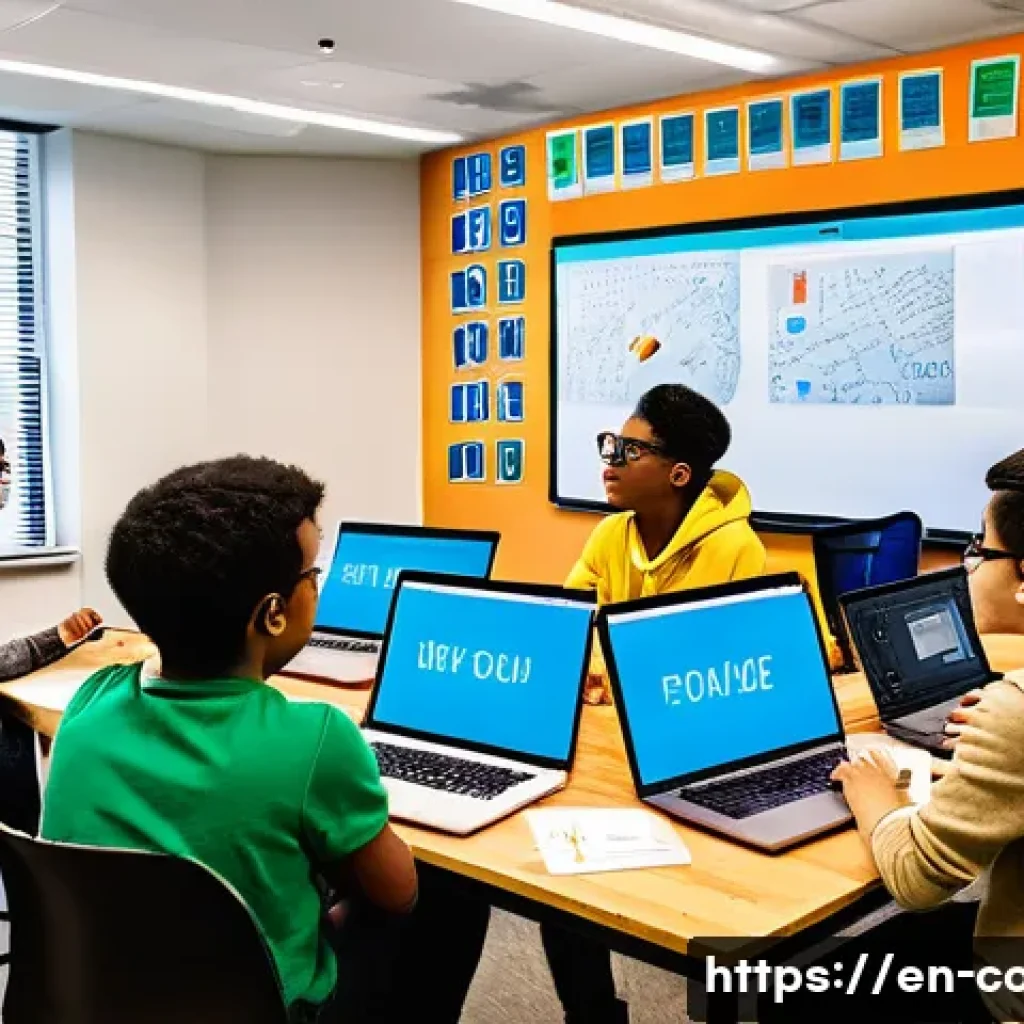
In today’s fast-evolving world, coding education has become more than just learning syntax—it’s about nurturing creative problem-solving skills. Coding instructors play a crucial role in shaping how students approach challenges, encouraging them to think outside the box.
By integrating creative thinking techniques into coding lessons, learners not only grasp technical concepts but also develop innovative mindsets. This blend of logic and creativity is essential for future-ready skills.
Let’s dive deeper and explore how coding education and creative thinking go hand in hand. Get ready to uncover some exciting insights ahead!
Fostering Curiosity Through Hands-On Coding Challenges
Encouraging Exploration Beyond the Code
When learners dive into coding, it’s easy to get caught up in memorizing syntax or following step-by-step tutorials. But the real magic happens when instructors prompt students to explore “what if” scenarios.
For example, after building a simple game, asking “What would happen if we changed this variable?” sparks curiosity and invites experimentation. I’ve seen firsthand that this kind of open-ended questioning nurtures a mindset where failure isn’t feared but embraced as a learning tool.
This approach encourages learners to tinker, break things, and ultimately discover creative solutions on their own.
Integrating Real-World Problems to Ignite Interest
Coding becomes more engaging when tied to tangible problems. Instead of abstract exercises, presenting challenges like optimizing a delivery route or creating a budget tracker connects coding to everyday life.
From my experience teaching coding workshops, students show more enthusiasm when they see how their skills can solve practical issues. This relevance fuels creative thinking because learners must adapt standard coding techniques to fit unique, real-world constraints.
It’s a powerful way to blend logic with imaginative problem-solving.
Promoting Collaboration for Diverse Perspectives
Pair programming and group projects bring fresh viewpoints into the learning process. I’ve noticed that when students collaborate, they bounce ideas off each other and often arrive at unexpected solutions.
Sharing different approaches broadens their thinking and breaks down the “one right answer” mindset. Instructors can facilitate this by setting up brainstorming sessions or peer code reviews.
This social interaction not only improves coding skills but also fosters creativity through dialogue and collective problem solving.
Using Visual Thinking to Demystify Complex Code
Mind Maps as a Blueprint for Problem Solving
Before jumping into writing lines of code, creating a mind map helps learners organize their thoughts and break down complex tasks. I’ve found that visually mapping out components, functions, and their relationships provides clarity that pure text can’t offer.
This process encourages students to think systematically and creatively at the same time—seeing the big picture while planning details. It’s like drawing a roadmap that guides their coding journey and sparks ideas for efficient solutions.
Flowcharts to Illustrate Logical Steps
Flowcharts transform abstract logic into visual sequences, making it easier for learners to grasp how different parts of a program interact. In my teaching, I often ask students to sketch flowcharts before coding algorithms.
This visual representation helps identify potential bottlenecks or alternative routes. It also invites creative problem-solving because students can experiment with multiple pathways on paper before committing to code.
This reduces frustration and deepens understanding.
Storyboarding User Experiences
Thinking about how users interact with an app or website from a narrative perspective can inspire innovative features. Storyboarding helps learners visualize the journey a user takes, step by step, and consider how coding can enhance that experience.
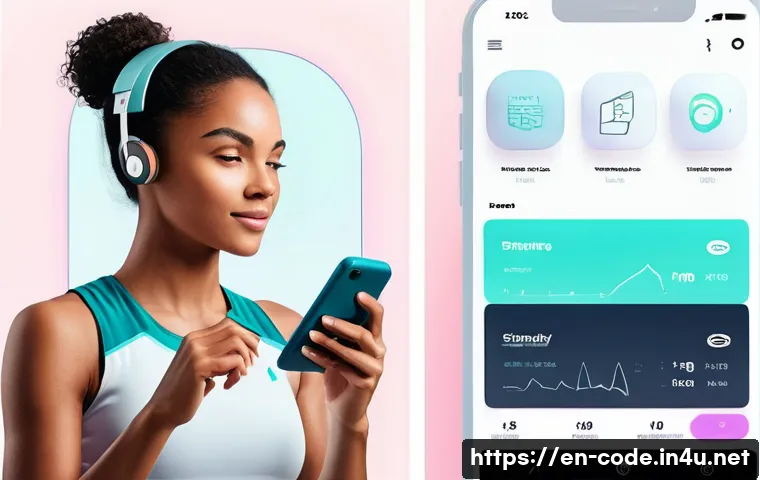
I recall a project where students designed a fitness tracker app; storyboarding the user’s daily routine led them to add creative notifications and motivational elements that went beyond basic functionality.
This technique combines empathy with technical design, fueling creative thinking.
Encouraging Algorithmic Creativity Through Problem Decomposition
Breaking Down Problems Into Manageable Pieces
Complex coding tasks often intimidate learners. Teaching them to decompose problems into smaller, bite-sized chunks builds confidence and stimulates creativity.
I always emphasize this strategy, sharing my own experience of tackling large projects one piece at a time. This method allows students to experiment with different solutions for each segment without feeling overwhelmed.
It also opens doors for innovative approaches, as they can mix and match ideas across subproblems.
Experimenting With Multiple Algorithms
There’s rarely just one way to solve a problem. I encourage students to explore various algorithms and compare their efficiency and complexity. This not only deepens their technical skills but also nurtures creative thinking by challenging them to find novel or optimized approaches.
For example, when sorting data, trying quicksort, mergesort, and bubble sort side by side reveals trade-offs and sparks curiosity about algorithm design.
Reflecting on and Refining Solutions
After implementing a solution, taking time to reflect on its strengths and weaknesses is crucial. I’ve seen learners develop a creative mindset when they view coding as an iterative process—one that welcomes refinement and innovation.
This reflection often leads to improvements or entirely new ideas. Instructors can foster this habit by prompting students to ask questions like “How can this be faster?” or “What if the input changes?” Such reflective practice turns coding into a dynamic playground for creativity.
Building Emotional Connections to Boost Motivation
Relating Coding Projects to Personal Interests
When students work on projects that resonate with their hobbies or goals, their engagement skyrockets. I’ve witnessed this during classes where learners create music visualizers, game mods, or social media bots tailored to their passions.
This emotional investment encourages them to push boundaries and think creatively about functionality and design. It’s a reminder that coding isn’t just about logic—it’s a tool for personal expression and impact.
Celebrating Small Wins to Sustain Momentum
Coding can be frustrating, especially for beginners. Celebrating incremental progress helps maintain motivation and reinforces creative efforts. In my workshops, I make it a point to acknowledge even minor breakthroughs, whether it’s solving a tricky bug or designing a cool feature.
This positive reinforcement builds confidence, making learners more willing to experiment and take risks. Over time, this mindset shift cultivates resilience and creative problem-solving.
Sharing Stories of Innovation and Impact
Inspiring learners with real-world examples of creative coding projects can ignite their imagination. I often share stories of developers who used code to build accessibility tools, environmental apps, or innovative games.
These narratives highlight how creativity and coding intersect to drive change. Hearing about diverse paths and successes motivates students to think beyond conventional uses of code and envision their unique contributions.
Leveraging Technology to Enhance Creative Learning
Interactive Coding Platforms as Creative Playgrounds
Platforms like Scratch, CodePen, or repl.it offer environments where learners can experiment freely without fear of breaking anything. From my experience, these tools lower the entry barrier and encourage playful exploration.
Students can remix existing projects, try out new ideas instantly, and see immediate results. This hands-on interactivity nurtures a playful mindset essential for creative breakthroughs.
Using Gamification to Spark Engagement
Incorporating game elements such as badges, leaderboards, or challenges adds excitement and motivation to the learning process. I noticed that when coding lessons include gamified components, students are more eager to solve problems creatively to earn rewards.
This friendly competition also builds community and encourages sharing of innovative solutions. Gamification turns coding education into an engaging adventure rather than a chore.
Incorporating AI Tools for Brainstorming and Debugging
Modern AI assistants can support creative coding by suggesting ideas, spotting errors, or optimizing code snippets. I’ve tried integrating these tools in my teaching and found they free up mental space, allowing learners to focus on higher-level problem-solving.
Rather than replacing creativity, AI can act as a collaborator that stimulates new ways of thinking and quickens the iteration process.
Developing a Growth Mindset to Embrace Coding Challenges
Reframing Mistakes as Learning Opportunities
One of the biggest barriers to creative coding is fear of failure. I always stress the importance of viewing mistakes as valuable lessons. When learners accept errors as natural steps toward mastery, they become more willing to experiment and innovate.
Sharing personal stories of debugging nightmares or failed projects helps normalize setbacks and encourages perseverance.
Setting Process-Oriented Goals Over Outcome-Focused Ones
Focusing on effort and strategies rather than just final results cultivates intrinsic motivation. I guide students to celebrate progress like understanding a concept or trying a new technique rather than just passing a test.
This shift encourages continuous learning and risk-taking, both vital for creativity in coding.
Building Resilience Through Incremental Challenges
Gradually increasing problem difficulty helps learners build confidence and adaptability. I design exercises that push students just enough to stretch their abilities without overwhelming them.
This balanced challenge strengthens resilience and fosters creative problem-solving, as learners develop new strategies to tackle tougher problems.
| Creative Coding Techniques | Purpose | Benefits |
|---|---|---|
| Hands-On Exploration | Encourages experimentation beyond instructions | Builds curiosity and resilience |
| Visual Thinking Tools | Clarifies complex logic through diagrams | Enhances understanding and idea generation |
| Collaborative Learning | Shares diverse perspectives | Expands creative approaches |
| Real-World Problem Integration | Connects coding to practical scenarios | Increases engagement and innovation |
| Growth Mindset Practices | Frames challenges as opportunities | Encourages persistence and risk-taking |
글을 마치며
Fostering creativity in coding goes beyond just teaching syntax—it’s about inspiring curiosity, encouraging experimentation, and connecting learning to real-world experiences. When learners feel supported to explore, collaborate, and embrace challenges, they develop not only technical skills but also a resilient and innovative mindset. This holistic approach transforms coding from a task into an exciting journey of discovery and growth.
알아두면 쓸모 있는 정보
1. Encouraging learners to ask “what if” questions sparks curiosity and makes coding a playful exploration rather than rote memorization.
2. Linking coding projects to real-life problems increases engagement and helps learners see the practical impact of their skills.
3. Collaboration through pair programming or group work introduces diverse ideas, breaking the myth of a single “right” answer.
4. Visual tools like mind maps and flowcharts clarify complex logic, making problem-solving more accessible and creative.
5. Embracing mistakes as learning opportunities and setting process-focused goals build a growth mindset essential for sustained creativity.
핵심 포인트 요약
Creative coding thrives when learners are encouraged to experiment freely, supported by visual thinking and collaborative environments. Integrating real-world challenges makes learning relevant and motivating, while fostering a growth mindset helps students persist through difficulties. By blending technical skills with curiosity and resilience, coding education becomes a dynamic space for innovation and personal expression.
Frequently Asked Questions (FAQ) 📖
Q: How can creative thinking improve a student’s coding skills?
A: Creative thinking pushes students beyond just memorizing code syntax—it encourages them to approach problems from multiple angles. When learners think creatively, they’re more likely to devise unique solutions, debug efficiently, and adapt code to new situations.
From my experience, students who embrace creativity tend to develop a deeper understanding of programming concepts and are better prepared to tackle real-world challenges where no single “right” answer exists.
Q: What are some effective ways instructors can integrate creative thinking into coding lessons?
A: Instructors can foster creativity by incorporating open-ended projects, encouraging experimentation, and using brainstorming sessions before coding. For example, instead of giving a strict problem statement, they might ask students to design a game or app that solves a personal problem.
This approach sparks curiosity and motivates learners to explore different methods. I’ve noticed that when instructors allow room for trial and error, students become more confident and innovative in their coding journey.
Q: Why is blending logic with creativity important for future-ready skills?
A: The tech world is constantly evolving, and future jobs will require more than just technical know-how—they demand adaptability and innovation. Logical thinking ensures that code works correctly, while creativity drives the development of novel ideas and solutions.
Combining both means learners aren’t just following instructions; they’re inventing new ways to use technology. From what I’ve seen, this balance prepares students to thrive in dynamic environments and stand out in competitive fields.